Navigating the complexities of FMCSA regulations can be challenging, especially with ongoing updates. The FMCSA Clearinghouse, a critical tool for ensuring driver safety and compliance within the transportation industry, has seen significant updates recently. Understanding these changes is crucial for both drivers and employers to maintain compliance and promote safety on our roads

What is the FMCSA Clearinghouse?
The FMCSA Clearinghouse is a secure online database that provides real-time information about commercial driver's license (CDL) and commercial learner's permit (CLP) holders' drug and alcohol program violations. It allows employers and authorized users to report and query driver drug and alcohol violations, ensuring that drivers with such violations do not operate commercial motor vehicles (CMVs) until they have completed the necessary return-to-duty process.
Key Functions
The FMCSA Clearinghouse serves several critical functions:
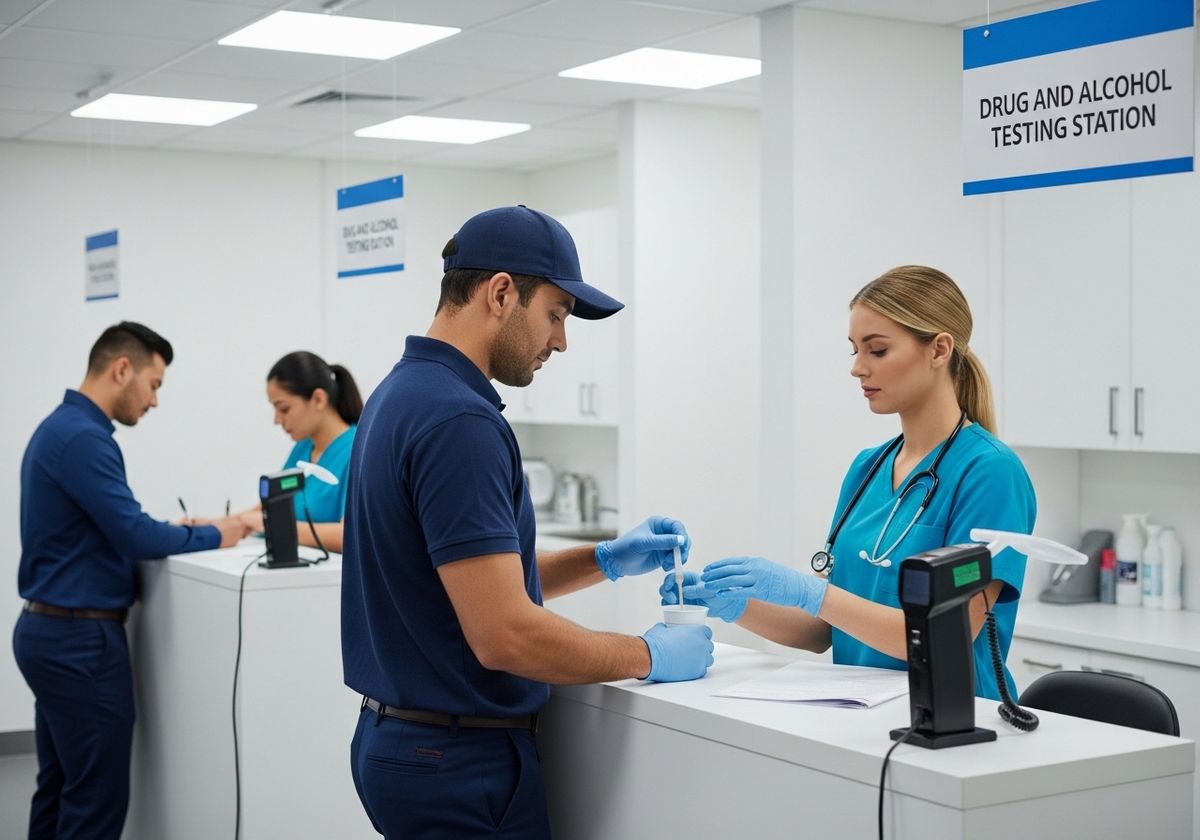
Reporting Violations: Employers are required to report drug and alcohol program violations, including positive drug tests, refusals to test, and other violations as defined by FMCSA regulations.
Pre-Employment Screening: Employers must query the Clearinghouse as part of their pre-employment screening process to ensure that new hires do not have any unresolved drug and alcohol violations.
Annual Queries: Employers are also required to conduct annual queries of the Clearinghouse for all current CDL and CLP drivers they employ.
Driver Consent: Drivers must provide consent before employers can access their Clearinghouse records for both pre-employment and annual queries.

Recent Updates to the FMCSA Clearinghouse
Based on 2026 compliance updates, the following changes and enforcement priorities are currently in effect for the FMCSA Drug and Alcohol Clearinghouse:
Enhanced CDL Enforcement: Over 90,000 drivers have recently had their commercial driving authority removed due to non-compliance, emphasizing the need for carriers to audit their Driver Qualification (DQ) files and verify all non-domiciled CDL documentation.
Fentanyl Panel Addition: To address the current opioid landscape, FMCSA is advancing a proposal to add fentanyl to the mandatory drug testing panel, which will trigger immediate reporting requirements to the Clearinghouse.
Query Compliance: Regular Clearinghouse queries remain a top enforcement priority; carriers must conduct full pre-employment queries and annual limited queries to ensure no drivers are in a "prohibited" status.
Modernized Recordkeeping: The DOT is transitioning toward full electronic recordkeeping, allowing for digital signatures and streamlined consent protocols to simplify how fleets manage Clearinghouse data and correct errors.
Staying Compliant
To ensure compliance with the FMCSA Clearinghouse regulations, consider these best practices:
Regularly Check for Updates: Stay informed about any changes or updates issued by the FMCSA through their official website and other reliable sources.
Implement Robust Policies: Develop and implement clear drug and alcohol testing policies that align with FMCSA regulations.
Train Employees: Provide thorough training to all employees, including drivers and supervisors, on their responsibilities related to the Clearinghouse.
Maintain Accurate Records: Keep accurate records of all drug and alcohol testing and Clearinghouse queries.
Use Qualified Service Agents: Work with reputable third-party administrators (TPAs) and other service agents who are knowledgeable about FMCSA regulations.
The FMCSA Clearinghouse is a critical component of maintaining safety and compliance in the transportation industry. At True Safety Services, we understand the importance of workforce health and DOT consulting. We're committed to providing comprehensive safety services and safety consulting to help you navigate these regulations and keep your operations running smoothly. Contact us today to learn more about how our CDL training and DOT consulting services can support your business.