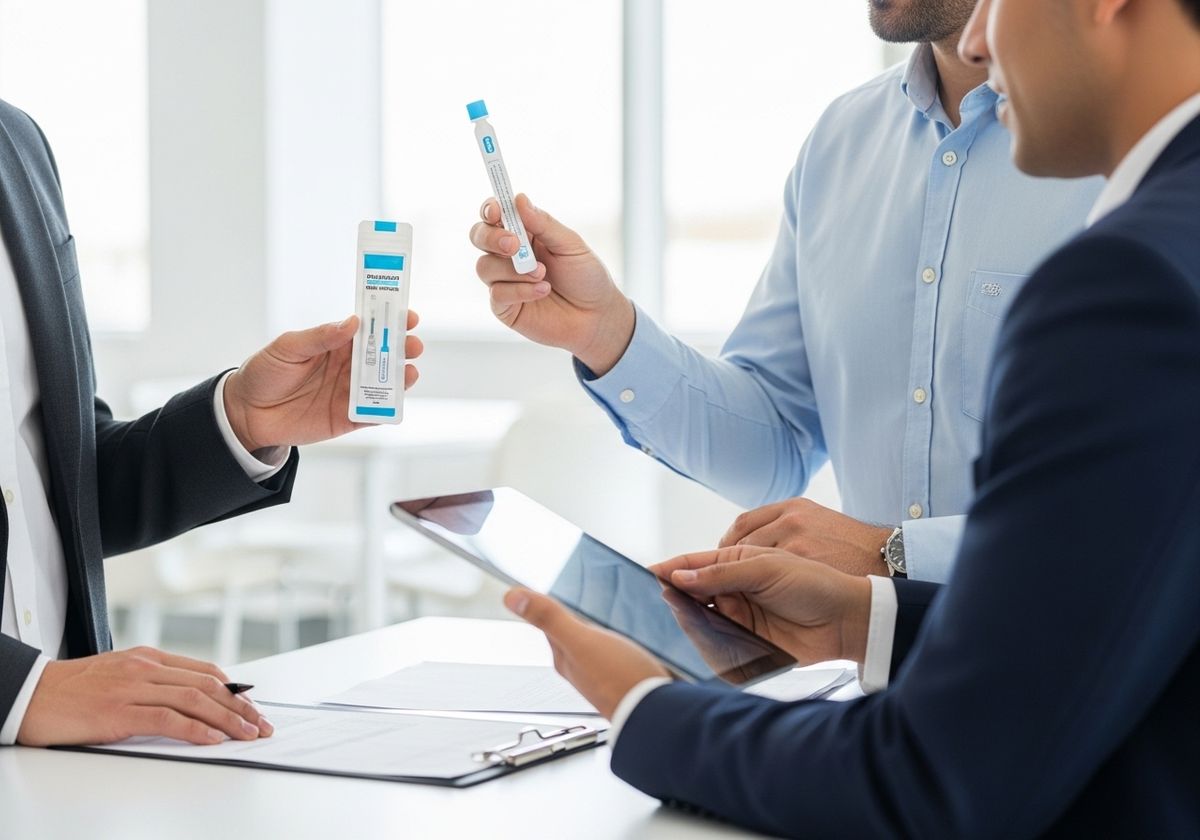
Navigating the evolving landscape of DOT compliance can be challenging, especially when it comes to workforce health and drug testing protocols. As we look ahead to the 2026 standards, understanding the shift towards oral fluid testing and its comparison to traditional urine testing is crucial for companies aiming to maintain safety and compliance.
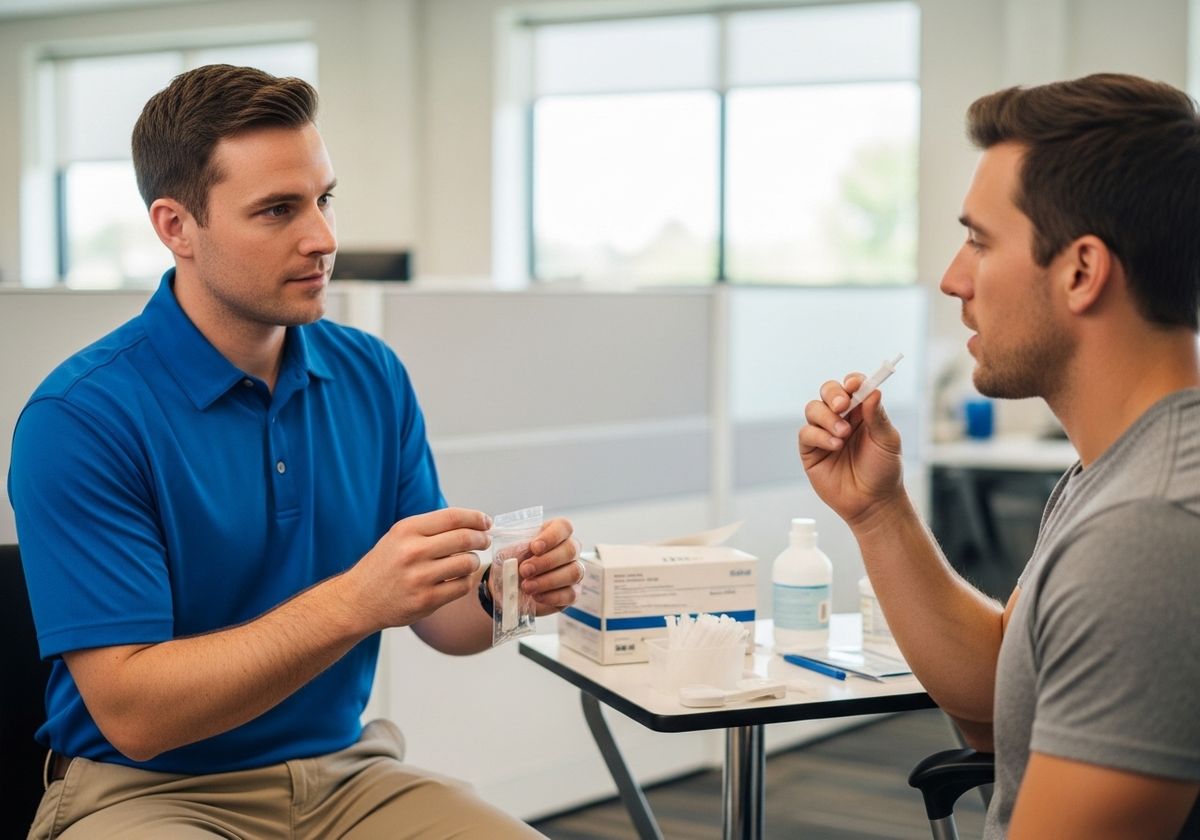
Understanding the Shift: Oral Fluid Testing
The Department of Transportation (DOT) has recently finalized a rule that allows employers to use oral fluid testing as an alternative to urine testing for drug screenings. This change marks a significant step in how companies can approach DOT compliance. Oral fluid testing offers several advantages, including:
Observed Collection: Oral fluid collections are directly observed, reducing the chance of adulteration or substitution.
Convenience and Efficiency: The collection process is less invasive and can often be completed more quickly than urine collection.
Detection Window: Oral fluid testing generally has a shorter detection window, which can provide a more accurate reflection of recent drug use.
Oral Fluid vs. Urine Testing: Key Differences
While both methods aim to detect drug use, they differ in several key aspects:
Detection Window: Urine tracks drug use over several days or weeks, while Oral Fluid has a shorter window, making it better for detecting recent use or impairment.
Collection Integrity: Oral Fluid is 100% observed and non-invasive, virtually eliminating the risk of tampering or "shy bladder" delays associated with urine tests.
Logistics & Cost: Oral fluid can be collected anywhere without a private restroom, whereas urine testing requires specific clinical facilities.
Regulatory Status: While both are DOT-approved as of 2026, urine remains the most common method as laboratories continue to finalize certifications for widespread oral fluid adoption.
Implications for Safety Services and DOT Consulting
The adoption of oral fluid testing has significant implications for safety services and DOT consulting. Companies must update their drug testing policies and procedures to align with the new regulations. This includes ensuring that collection sites are properly trained in oral fluid collection techniques and that Medical Review Officers (MROs) are familiar with the nuances of interpreting oral fluid test results. Partnering with experienced safety consulting services can help businesses navigate these changes seamlessly.
Preparing for the 2026 Standards
As we approach 2026, it's essential to stay informed and proactive. Here are some steps companies can take to prepare:
Review and Update Policies: Ensure your drug testing policies reflect the option of oral fluid testing and comply with DOT regulations.
Train Personnel: Provide comprehensive training for collectors and supervisors on the proper procedures for oral fluid collection.
Consult with Experts: Engage with safety consulting professionals to stay updated on the latest regulatory changes and best practices.
Consider CDL Training Implications: For those involved in CDL training, understanding the testing modalities is crucial for ensuring compliance among future drivers.
Staying ahead of these changes is vital for maintaining a safe and compliant work environment. By understanding the differences between oral fluid and urine testing, and by taking proactive steps to update policies and training programs, companies can ensure they are well-prepared for the future of DOT compliance.
Navigating these changes in DOT standards can be complex, but True Safety Services is here to help. Contact us today to learn more about how we can support your company's safety needs, or visit our website to explore our range of services designed to simplify safety, training, and compliance.