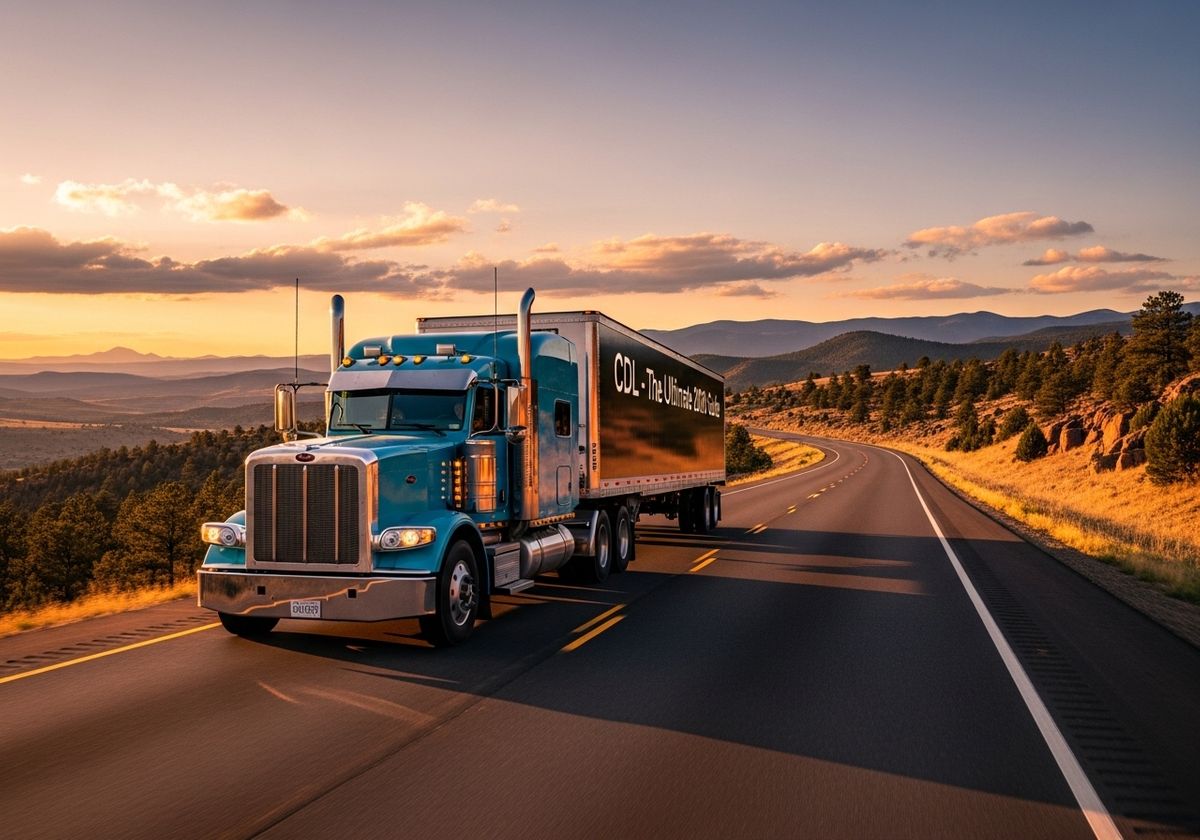
So, you're looking to hit the open road and make a career out of driving in the beautiful state of Colorado? Getting your Commercial Driver's License (CDL) is the first step, and this guide will provide you with a comprehensive overview of the process From understanding the requirements to choosing the right training program, we'll cover everything you need to know to get behind the wheel with confidence. Let's dive in!
Understanding the Different CDL Classes
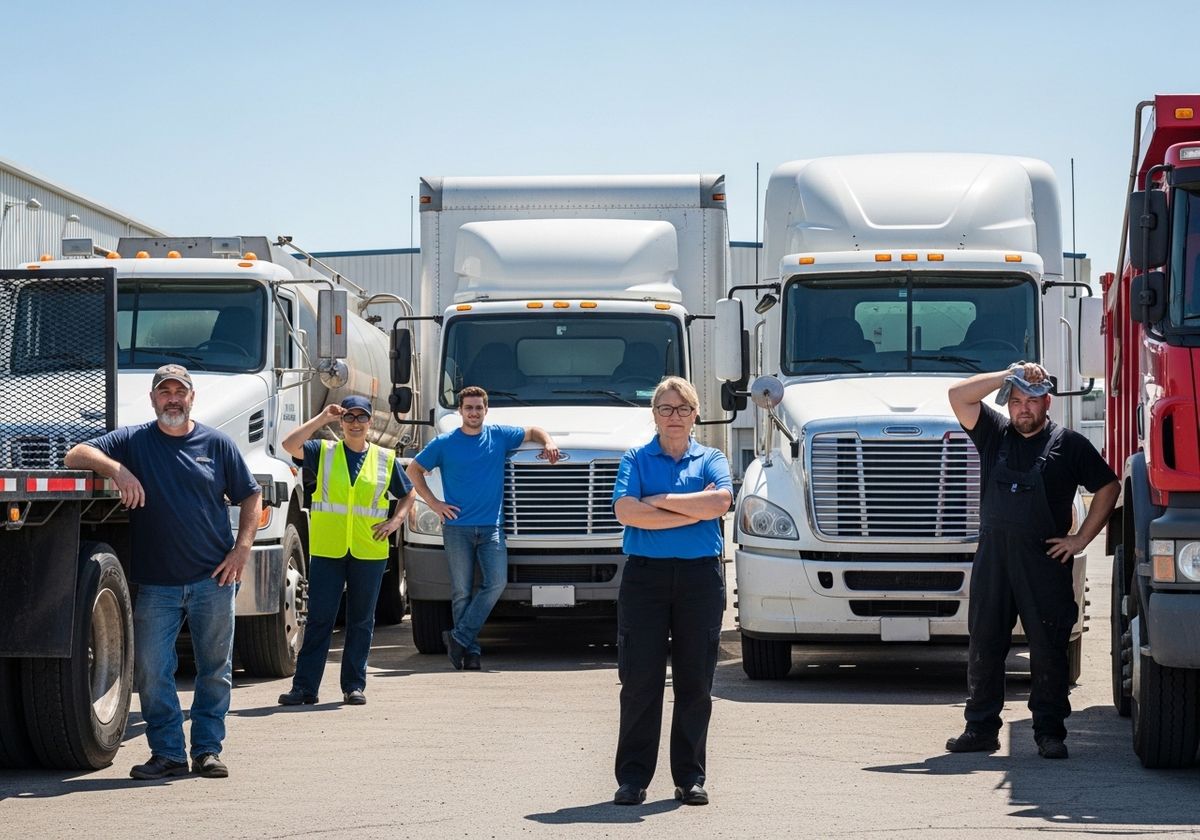
First things first, it's important to know that not all CDLs are created equal. The type of CDL you'll need depends on the type of vehicle you plan to operate. Here's a quick breakdown:
Class A: This is the most common CDL, required for operating any combination of vehicles with a gross combination weight rating (GCWR) of 26,001 pounds or more, provided the GVWR of the vehicle(s) being towed is in excess of 10,000 pounds.
Class B: Required for operating a single vehicle with a GVWR of 26,001 pounds or more, or any such vehicle towing a trailer not in excess of 10,000 pounds GVWR. Examples include large buses, dump trucks, and straight trucks.
Class C: This license is needed for operating vehicles that do not meet the criteria for Class A or Class B, but are designed to transport 16 or more passengers (including the driver) or carry hazardous materials.

Colorado CDL Requirements
Before you start your training, make sure you meet the basic requirements set by the Colorado Department of Revenue, Division of Motor Vehicles (DMV):
Be at least 21 years old for interstate driving (driving across state lines) or to transport hazardous materials. You can obtain an intrastate CDL at 18, allowing you to drive within Colorado only.
Hold a valid Colorado driver's license.
Self-certify the type of driving you will be doing (interstate, intrastate, excepted interstate, or excepted intrastate).
Provide proof of U.S. citizenship or lawful permanent residency.
Pass vision and medical exams.
Pass the required knowledge and skills tests.
The CDL Training Process
While not always mandatory, enrolling in a CDL training program is highly recommended. A reputable school will provide you with the knowledge and skills you need to pass the CDL exams and operate a commercial vehicle safely. Here's what the training typically involves:
Classroom Instruction: You'll learn about federal and state regulations, vehicle systems, safe driving practices, cargo handling, and other essential topics.
Behind-the-Wheel Training: This is where you'll get hands-on experience operating a commercial vehicle under the guidance of a certified instructor. You'll practice basic control skills, such as backing, turning, and maneuvering, as well as over-the-road driving.
Testing: After completing your training, you'll need to pass both a knowledge test and a skills test at a state-approved testing facility.
Preparing for the CDL Exams
The CDL exams can be challenging, so it's important to prepare thoroughly. Here are some tips to help you succeed:
Study the Colorado CDL Manual: This manual contains all the information you need to know for the knowledge tests.
Take Practice Tests: Numerous online resources offer CDL practice tests. These can help you identify areas where you need to improve.
Get Plenty of Rest: Being well-rested will help you focus and perform your best during the exams.
Stay Calm and Confident: Believe in yourself and your abilities. If you've prepared well, you'll be ready to pass.
The Road Ahead
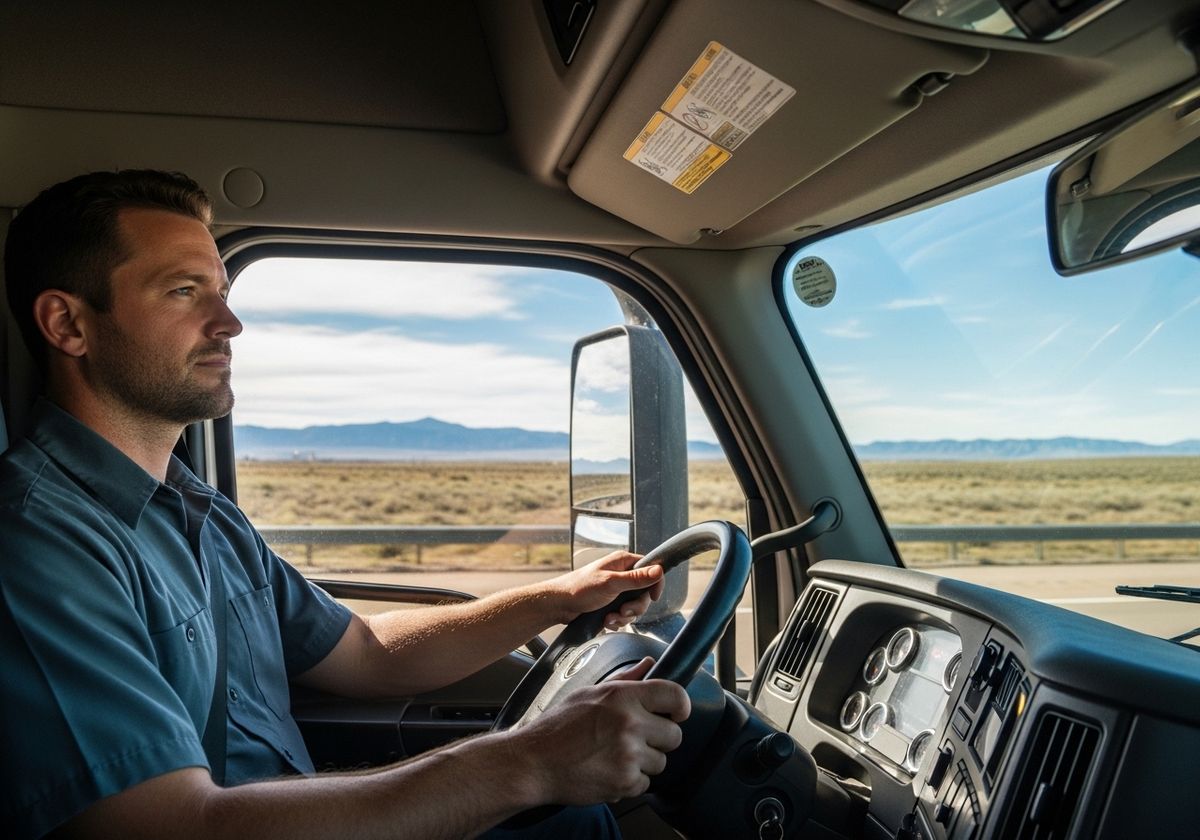
Obtaining your CDL is a significant accomplishment that can open doors to a rewarding career in the transportation industry. With the right training and preparation, you can achieve your goal of becoming a professional truck driver in Colorado. Remember to stay safe, follow the rules of the road, and always prioritize safety.
Navigating the complexities of CDL requirements and DOT compliance can be daunting. At True Safety Services, we understand these challenges. We offer comprehensive CDL training designed to keep you and your business compliant and safe. Contact us today to learn more about our training programs and how our safety consulting services can benefit you!