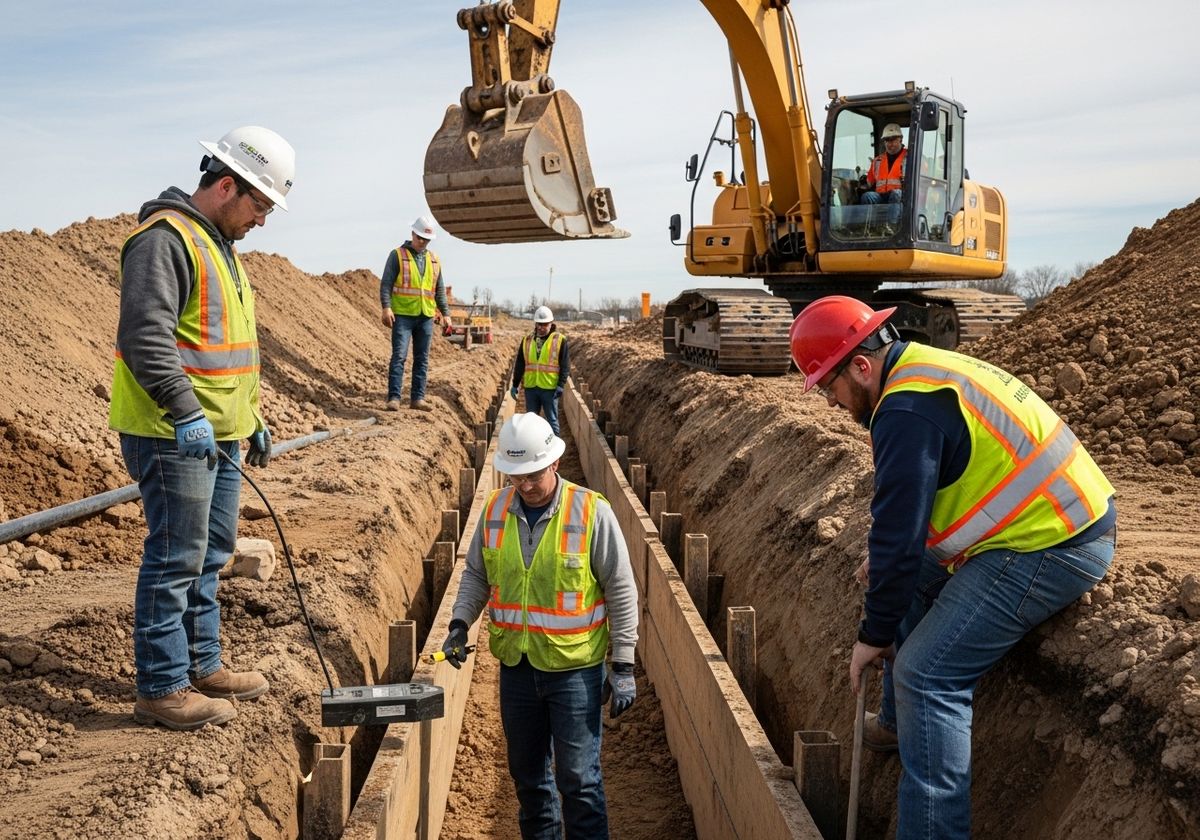
Working in and around trenches and excavations presents significant risks. Cave-ins are, unfortunately, all too common, and other hazards can lead to serious injuries or fatalities. Staying vigilant and implementing robust safety measures are crucial for protecting workers. Here are four critical hazards to watch out for in trenching and excavation operations:
1. Cave-Ins
Unprotected trenches are incredibly dangerous. The weight of the soil can cause walls to collapse, burying workers in seconds. OSHA standards require protective systems for trenches 5 feet deep or greater, unless the excavation is made entirely in stable rock. However, even shallower trenches can be hazardous, especially in unstable soil conditions. Regular inspections by a competent person are essential to identify potential cave-in hazards.
2. Hazardous Atmospheres
Trenches can accumulate hazardous gases, such as methane, carbon monoxide, and hydrogen sulfide, which can displace oxygen and create an asphyxiation hazard. Additionally, excavations near roadways or industrial sites may expose workers to toxic fumes. Before entering a trench, the atmosphere should be tested for oxygen levels, flammable gases, and toxic substances. If hazardous conditions are present, ventilation or respiratory protection may be required.
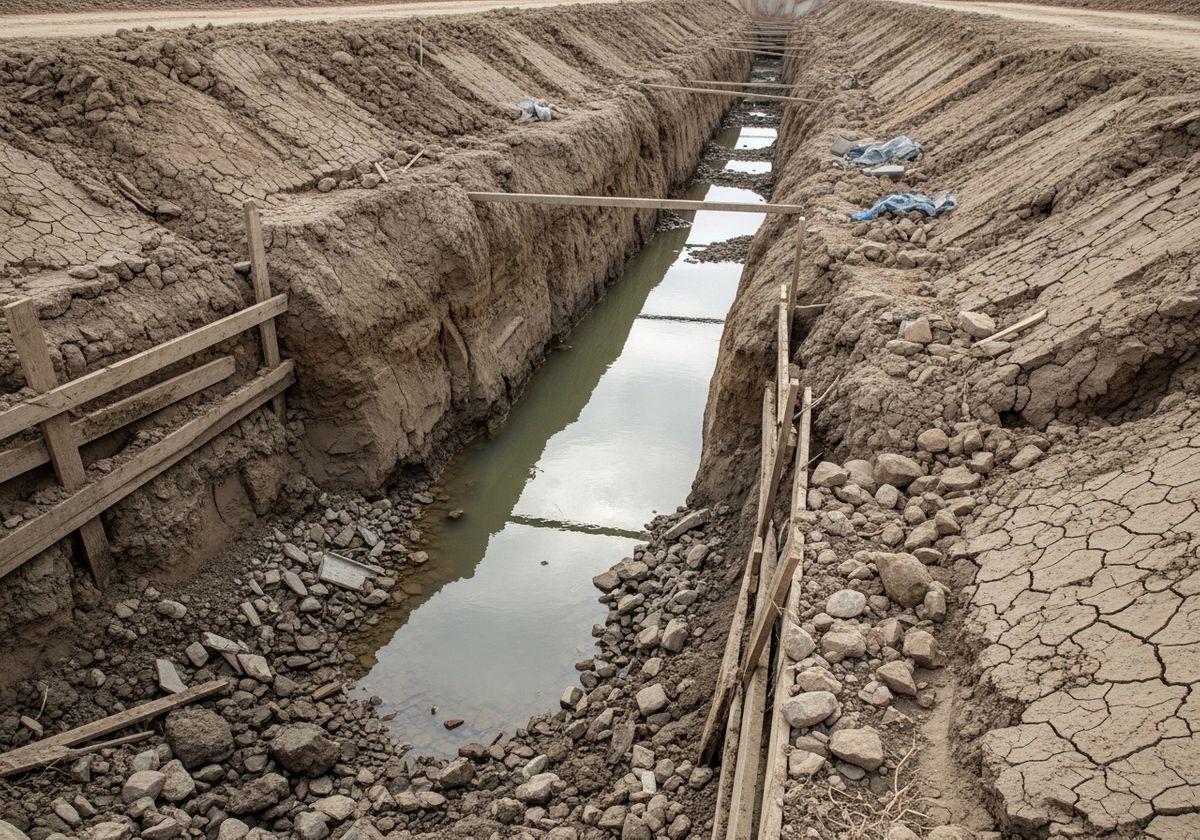
3. Water Accumulation
Water accumulation in trenches can destabilize soil, increasing the risk of cave-ins. Rainwater, groundwater, and nearby water sources can all contribute to this hazard. Implementing water removal techniques, such as pumps and diversion ditches, is crucial for maintaining a safe working environment. Regular inspections should also assess the effectiveness of water control measures.
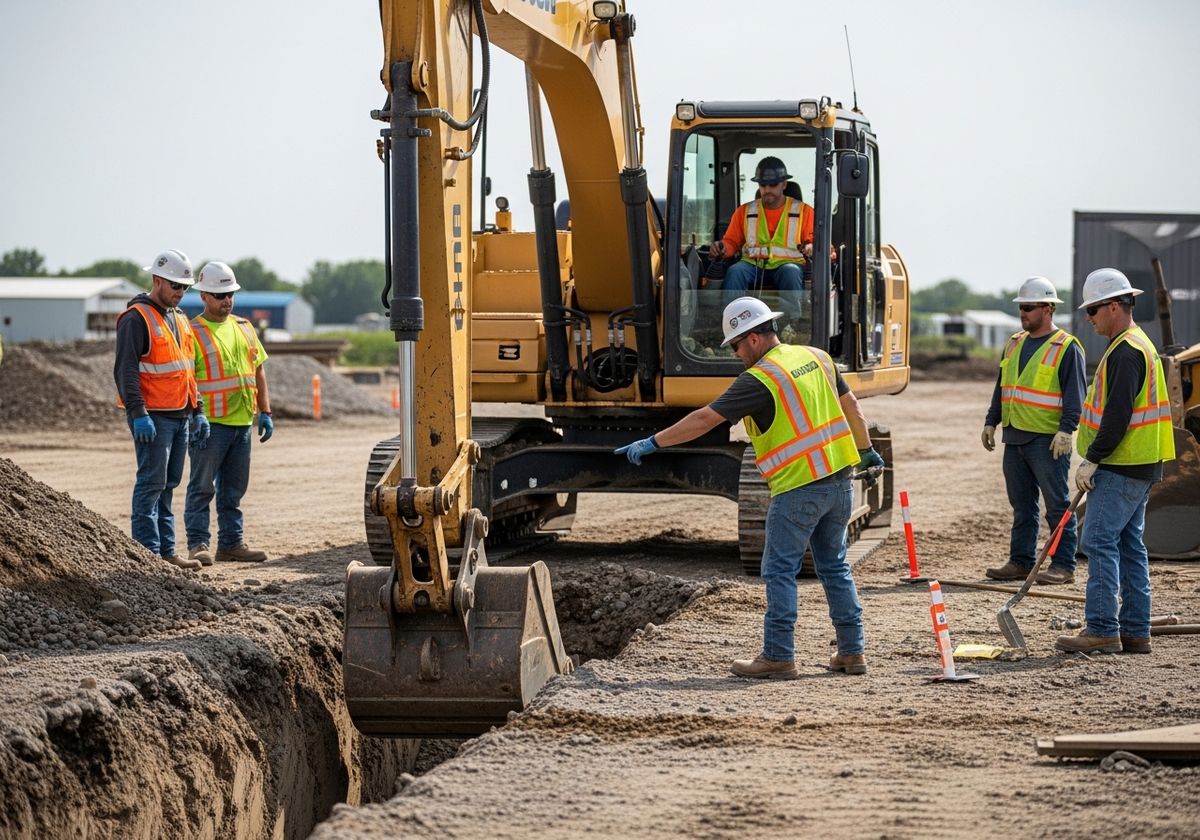
4. Mobile Equipment
Operating heavy equipment near trenches poses several risks. The weight of the equipment can cause trench walls to collapse, and accidental contact with underground utilities can result in electrocution or explosions. Maintaining a safe distance between equipment and the edge of the excavation is essential. Spotters should be used to guide equipment operators and prevent accidents.
Staying safe around trenches and excavations requires constant vigilance, proper training, and adherence to safety regulations. These four hazards are critical to watch for, but a comprehensive safety program should address all potential risks. True Safety Services provides a range of safety services, including safety consulting and OSHA-compliant training, to help you protect your workforce and ensure compliance. Contact us today to learn more about our safety consulting services and how we can help you maintain a safe work environment.